

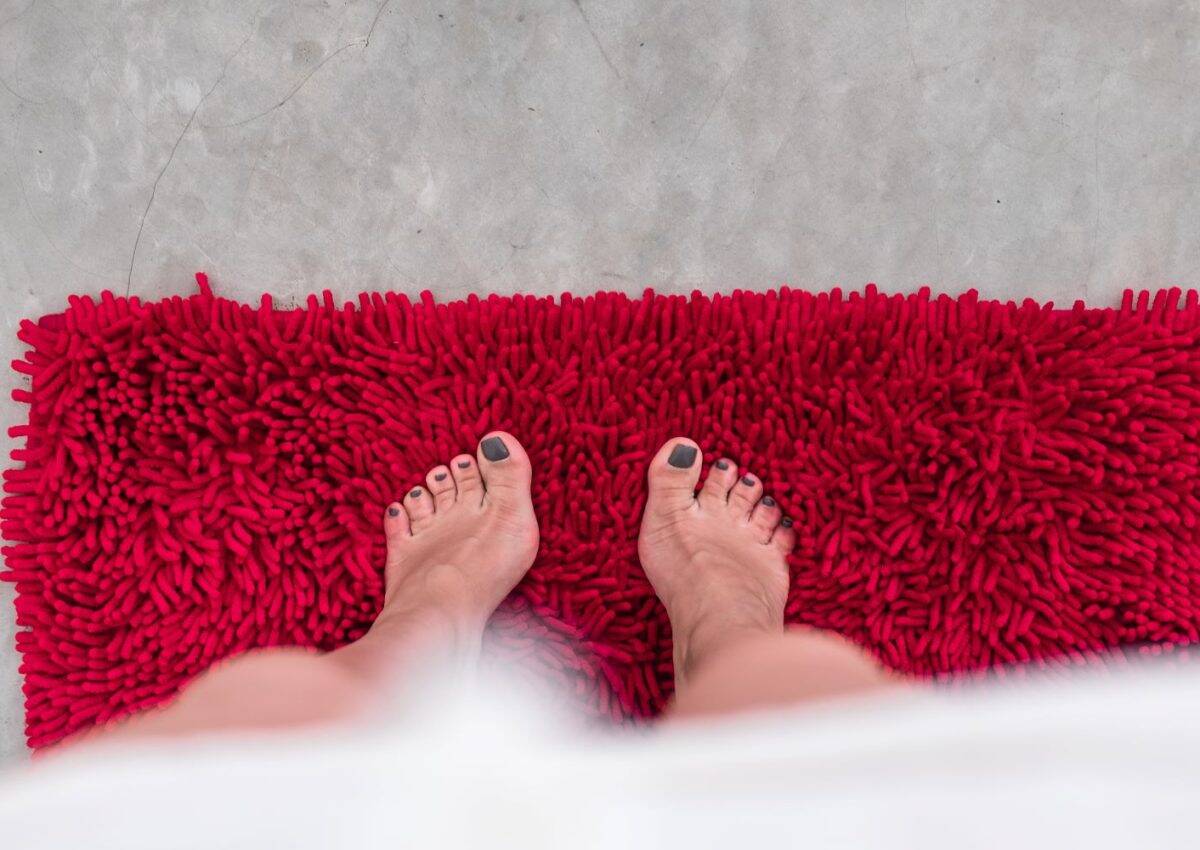
Slip-resistant bath mats are a small upgrade with outsized benefits. We often underestimate how a wet floor, a sudden turn, or an unanchored mat can lead to a painful fall. In this guide we’ll explain why a bath mat non slip design matters, break down the most common types and their trade-offs, and walk through how to choose, install, and maintain the right mat so it actually keeps working when you need it most.
Why Non‑Slip Bath Mats Matter For Bathroom Safety
Bathrooms are one of the highest-risk rooms in the home for slip-and-fall injuries. Water, soap, and smooth surfaces combine to make tile and bathtub floors dangerously slick. A properly designed bath mat non slip solution does two things at once: it absorbs water to reduce puddling and it anchors to the floor or tub so our feet don’t slide when we step. That simple combination reduces fall risk dramatically, especially for older adults, young children, and anyone with mobility or balance issues.
We see three practical benefits when a mat truly resists slipping:
- Immediate traction: A non‑slip backing or suction system gives us steady footing when we step out of the shower or bathtub. That split second of traction often prevents a tumble.
- Water control: Many mats are absorbent or quick‑draining, stopping water from spreading across the bathroom floor where it can become a hazard.
- Confidence and independence: For people recovering from injury or managing mobility problems, a secure mat means they can bathe with less assistance, preserving dignity and safety.
Not all products labeled “non‑slip” perform equally. Some backings degrade, suction cups lose bite, and mats that trap water can become moldy, creating new risks. That’s why it’s worth understanding materials, installation, and maintenance so the mat we buy actually stays non‑slip over time.
Types Of Non‑Slip Bath Mats And Their Pros And Cons
When shopping for a bath mat non slip option, we’ll encounter several common types. Each has strengths and drawbacks depending on where we’ll use it (tub vs. floor), who will be using it, and how much maintenance we’re willing to do.
Suction‑Back Vinyl or PVC Mats
Pros:
- Excellent immediate grip when suction cups remain clean and intact.
- Thin and conformable, works well on curved tub floors.
- Inexpensive and widely available.
Cons:
- Suction cups can lose adhesion with wear, soap residue, or textured surfaces.
- Vinyl can trap water and promote mildew unless cleaned frequently.
Best use: Bathtubs and shower bases with smooth surfaces where we’ll check and clean the backing regularly.
Rubber Mats with Textured Backing
Pros:
- Durable and naturally slip‑resistant without relying on suction.
- Often heavier, so they stay put even when wet.
- Natural rubber options resist mold better than some synthetics.
Cons:
- Can retain water under the mat if not perforated: may need airing.
- Some people dislike the odor of rubber on new mats.
Best use: Shower floors, walk-in showers, and areas where a long‑lasting mat is desirable.
Microfiber or Cotton Mats with Non‑Slip Coating
Pros:
- Highly absorbent and comfortable underfoot: great on bathroom floors.
- Machine‑washable and available in many styles and colors.
Cons:
- The non‑slip coating (often rubberized) can wear off after repeated washing.
- Not ideal for curved tub floors, more for outside the tub.
Best use: Outside tubs and sinks where we want to trap drips and keep floors dry.
Silicone Drainage Mats
Pros:
- Flexible, quick‑draining, and resistant to mold and mildew.
- Many designs have holes that allow water to pass through and prevent pooling.
Cons:
- Can be pricier and sometimes look utilitarian.
- May be too thin to be comfortable standing on for long periods.
Best use: Inside tub and shower floors where drainage and hygiene are a priority.
Adhesive‑Back or Hooked Mats (Permanent or Semi‑Permanent)
Pros:
- Provide very high security because they’re fixed in place.
- Great for households with limited mobility where slipping would be catastrophic.
Cons:
- Harder to remove: adhesive can damage tub or tile finish.
- Not flexible, may not fit curved or irregular surfaces well.
Best use: Long‑term installations in homes of seniors or for rental bathrooms where replacing the mat often isn’t practical.
When we choose, we balance traction, drainage, hygiene, and how the mat matches the surface we’re using it on.
How To Choose The Right Non‑Slip Bath Mat (Size, Material, And Grip)
Picking the right bath mat non slip option means thinking about three practical factors: size and fit, material performance, and the method of grip or anchoring.
Size and Fit
Measure the space. For tub mats, choose one that covers the area where we stand or sit, usually between 15″ and 20″ long for standard tubs. For bathroom floors, a mat should be large enough to catch water from the tub or shower without blocking doors or drawers. A mat that bunches up or hangs over an edge is more likely to slide.
Material Performance
- Rubber/silicone: Best for traction and mildew resistance.
- Vinyl/PVC: Good value and flexibility but demands more cleaning.
- Microfiber/cotton: Best for absorbency outside the tub: ideal for use on tile floors.
Consider people using the bathroom. If someone has neuropathy or balance issues, prioritize thicker, textured mats with reliable backing. If mold is a concern, choose silicone or perforated rubber that drains well.
Grip and Anchoring Systems
- Suction cups: Effective on smooth, non‑textured surfaces, clean both mat and floor for peak performance.
- Textured, high‑friction backing: Works on some textured tiles and lasts longer without maintenance.
- Adhesive or permanently fixed: Use when maximum security is mandatory, but be mindful of installation and removal.
Safety Features to Look For
- Drainage holes or channels to prevent pooling under the mat.
- Antimicrobial treatments that slow mold and mildew growth, helpful but not a substitute for cleaning.
- Rounded, non‑abrasive edges to avoid catching on tub lips or door thresholds.
Testing Before Full Commitment
If possible, test a mat’s grip before finalizing your purchase. In stores, press a mat onto a display tub and try tugging it: look for a strong suction feel. Online, prioritize reviews that mention long‑term adhesion and whether the product holds up after multiple washes. We find user photos and reviews that describe the surface type (porcelain, acrylic, textured tile) especially helpful for predicting real‑world performance.
Installation, Cleaning, And Maintenance Tips To Preserve Slip Resistance
Correct installation and regular maintenance keep a bath mat non slip property working for years. Neglect is the most common reason mats fail.
Installation Tips
- Clean the surface first: Remove soap scum and oils from the tub or floor using a mild cleaner: residue reduces suction and adhesive bond.
- Dry thoroughly for suction mats: Allow the surface to dry completely before placing a suction‑back mat.
- Position before stepping on it: Line the mat up exactly where we want it and press firmly across the entire surface to expel air from suction cups.
- Avoid overlapping mats: Two mats stacked can slide against each other, use a single mat sized to the space.
Cleaning and Maintenance
- Daily: Shake or hang microfiber/fabric mats to dry after use. This simple step cuts mildew dramatically.
- Weekly: Wash mats according to manufacturer instructions. Many rubber and silicone mats can be rinsed and wiped, while fabric mats often go in the washing machine. Use a vinegar solution (1:1 water to white vinegar) for mildew-prone surfaces, effective and gentle.
- Monthly: Inspect suction cups and backing. If suction cups look clogged with soap residue, scrub them with a soft brush and mild detergent.
- Replace worn mats: If the non‑slip coating peels or suction cups no longer hold after cleaning, replace the mat. A failing mat is worse than none, false security leads to accidents.
Storage
- Hang mats to dry rather than folding them. Prolonged creasing can damage the backing or create moisture traps that encourage mold.
- For seasonal or backup mats, store flat in a cool, dry place away from sunlight to avoid material breakdown.
Extra Hacks We Use
- Rubbing alcohol wipe on suction cups before reinstalling: It improves adhesion by removing oils.
- Painter’s tape test: For textured tile, press painter’s tape to the floor and pull it off, if a lot of dust or residue comes off, clean the tile thoroughly before installing any mat.
Following these steps preserves traction and extends the life of the mat, saving money and preventing hazards down the line.
Conclusion
A bath mat non slip choice is more than an aesthetic purchase, it’s a practical safety decision. We recommend selecting a mat that matches the surface, prioritizes drainage and secure anchoring, and fits the household’s needs. Maintain the mat regularly: clean the backing, hang it to dry, and replace it when grip diminishes. With the right selection and care, a non‑slip bath mat is a simple, cost-effective way to reduce injuries and increase confidence in the bathroom.
If you’re unsure which mat to pick, start by measuring the area and choosing a silicone or rubber option with drainage holes for use inside tubs and a microfiber, washable mat outside the tub. Those two together cover traction, water control, and hygiene, a practical combo that keeps our bathrooms safer every day.


