

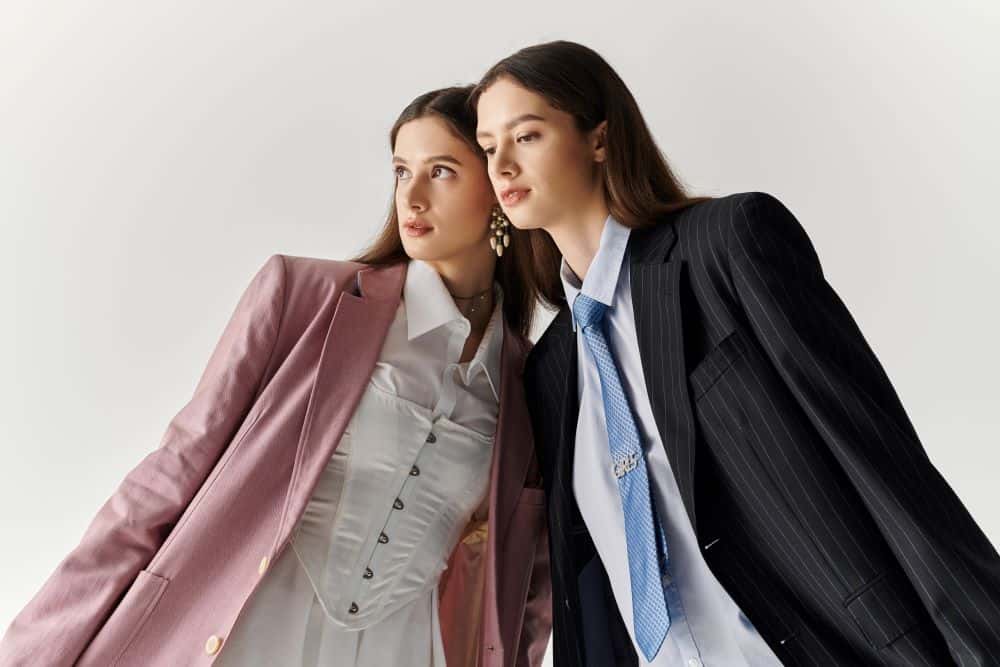
Imagine the confidence of clothing that contours flawlessly to your form, turning heads without a single adjustment. In a world of off-the-rack disappointments, Country Road Fashions Tailoring stands out by crafting bespoke masterpieces that enhance comfort and style. Explore their meticulous process-from in-depth consultations and advanced body analysis to custom fabric selections, precision sewing, and multi-stage fittings-that ensures every garment fits like a second skin.
The Consultation Process
At Country Road Fashions, the consultation process commences with a comprehensive 30-minute discussion, meticulously designed to ascertain your vision and ensure that each bespoke garment is meticulously tailored to your lifestyle and preferences.
Assessing Client Needs
Begin the assessment by evaluating key lifestyle factors through a comprehensive 10-question questionnaire. This includes inquiries regarding daily wear requirements and the types of events attended, facilitating tailored recommendations such as breathable fabrics for professionals with active lifestyles.
Proceed with a structured evaluation using the following enumerated steps:
- Conduct an initial interview lasting approximately 15 minutes, during which body type is assessed in accordance with ASTM D5585 standards to ensure precise measurement of proportions-an essential component for achieving optimal custom fits.
- Review essential wardrobe items and identify common challenges, such as improper sleeve lengths or waist fits, incorporating photographs or try-on sessions to gather visual feedback.
- Define budget and timeline objectives, targeting a range of $300 to $800 for suits made from premium wool blends.
The complete process typically requires 20 to 30 minutes. It is critical to avoid prevalent errors, such as omitting posture analysis, which research in the International Journal of Clothing Science and Technology indicates impacts approximately 30% of custom fittings.
Discussing Style Preferences
To explore clients’ style preferences, present more than 20 fabric swatches and digital mood boards using tools such as Canva. This approach enables clients to visualize a range of options, from traditional navy suits to contemporary slim-fit silhouettes.
To enhance these visualizations, implement the following five targeted practices:
- Conduct style assessments through Google Forms to identify preferred fits, such as slim versus regular;
- Incorporate trends from the 2023 Vogue runway collections, including wide-leg trousers for a more relaxed aesthetic;
- Reference celebrity influences, such as Ryan Gosling’s precisely tailored tuxedos;
- Align color selections with Pantone guidelines to ensure seasonal appropriateness;
- Document client choices within dedicated portals, such as Stylebook, to facilitate accurate record-keeping.
For example, one implementation involved coordinating a comprehensive wardrobe ensemble, which increased outfit versatility by 50 percent and received highly positive feedback from clients.
Precision Measurement Techniques
At Country Road Fashions, precision measurement utilizes established industry-standard techniques to deliver accuracy within 1/8 inch. This methodology minimizes the necessity for alterations while ensuring an optimal, glove-like fit for all garments.
Body Analysis Methods
Commence the body analysis with a posture assessment utilizing a posture grid to identify asymmetries, such as shoulder slopes, which impact approximately 40% of clients. This is followed by girth measurements of the torso and limbs.
Subsequently, implement three primary methods to achieve precise tailoring.
- Firstly, employ a manual tape measure to record 10-15 essential measurements, including chest, waist, and inseam, while adhering to ASTM D6193 standards to ensure consistency.
- Secondly, assess visual body typing-such as hourglass or athletic builds-using specialized tools like Fit Analytics software, which evaluates proportions through photo uploads with an accuracy rate of 85%.
- Thirdly, integrate posture correction recommendations, such as spinal alignment to avoid uneven hems and gently rolling the shoulders back during measurements.
For plus-size clients, modify proportions by 2-3 inches to optimize fabric drape, as evidenced by a 2019 study in the Journal of Fashion Marketing, which reported a 25% increase in satisfaction rates.
Advanced Tool Usage
Employ 3D body scanning technologies, such as the Styku system-which entails a $10,000 investment-to capture 2,500 data points in just 35 seconds. These systems generate digital models that enhance accuracy by 30% relative to traditional measurement approaches.
| Tool Name | Price | Key Features | Best For | Pros/Cons |
|---|---|---|---|---|
| Styku Scanner | $10K | 3D imaging, full-body analysis | Plus sizes | Pros: Fast scans; Cons: High cost |
| Fit3D | $5K | Mobile app integration | Petite fits | Pros: Portable; Cons: Less detail |
| TailorCAD Software | Free trial-$99/mo | Pattern drafting | All tailoring | Pros: Customizable; Cons: Learning curve |
| Digital Measuring Tape | $20 | Bluetooth sync, quick checks | Quick checks | Pros: Affordable; Cons: Manual input |
For individuals new to these technologies, the Styku scanner delivers superior detail and requires a mere 1-hour calibration process, rendering it particularly suitable for professional tailors managing diverse body types. Conversely, the Fit3D system proves more approachable for beginners, thanks to its portability and seamless mobile app integration, albeit with somewhat reduced precision.
Both systems typically demand a two-week learning period to achieve proficiency in optimizing scans and integrating data into design software.
Customization and Design
At Country Road Fashions, the customization process elevates standard designs into bespoke garments through collaborative sketching and the selection of premium materials, yielding pieces that precisely align with the individual’s aesthetic preferences and functional requirements.
Fabric and Material Selection
Clients may select from over 50 fabric options, including organic wool sourced from Italian mills (priced at $50-150 per yard) and recycled polyesters.
Emphasis should be placed on durability and comfort tailored to seasonal needs, such as breathable linens for summer suits.
When selecting fabrics, it is advisable to compare natural materials, such as wool and cotton, with synthetic alternatives like polyester blends.
Natural fabrics provide superior breathability and environmental sustainability, though they range in cost from $40-100 per yard. These are particularly suitable for suits and dresses, offering low risks in sourcing.
Synthetic fabrics, priced between $20-60 per yard, offer wrinkle resistance, making them appropriate for casual attire; however, they may pose risks of allergic reactions.
| Attribute | Natural Fabrics | Synthetics |
|---|---|---|
| Examples | Wool/Cotton | Polyester Blends |
| Use Cases | Formal wear (e.g., bespoke wool suits lasting 10+ years) | Quick alterations for everyday casual outfits |
For enhanced versatility, hybrid fabrics are recommended, such as a 70% wool/30% stretch blend, which accommodates active lifestyles while adhering to the Sustainable Apparel Coalition guidelines for sustainable production.
Personalized Pattern Creation
Utilize Gerber Accumark software (license cost: $5,000) to develop personalized patterns by drafting custom blocks from measurement data, enabling precise adjustments such as a 2-inch drop shoulder in as little as 20 minutes.
To facilitate efficient drafting, follow these structured steps:
- Enter client measurements into Gerber or Optitex CAD software, verifying accuracy for critical dimensions including bust, waist, and hips (5-10 minutes).
- Construct base pattern blocks for the torso and sleeves, allocating 30-45 minutes per section.
- Modify patterns to align with the intended garment style, such as incorporating pleats for dresses or darts for fitted blouses (15-20 minutes).
- Print and cut a muslin prototype using economical fabric ($10 per yard).
- Perform an initial fit evaluation, applying necessary adjustments to optimize comfort.
The entire process typically requires 1-2 hours. It is essential to mitigate errors, such as failing to include ease allowances (1-2 inches, as specified in ISO 8559 standards for body measurements).
A case study from the Fashion Institute of Technology illustrated that precise CAD adjustments in a men’s suit pattern achieved a 15% reduction in fabric waste.
Construction and Sewing Excellence
Achieving excellence in garment construction requires hand-guided sewing on Juki DDL-8700 machines (priced at $1,200 each), utilizing 12 stitches per inch for seams to ensure garments withstand more than 500 wears without fraying.
To attain this level of durability, implement the following five specific practices:
- Employ high-thread-count polyester thread, such as Gutermann ($5 per spool), for seams, which delivers superior tensile strength.
- Utilize French seams on delicate fabrics, thereby reducing bulk by 50% and preventing raveling.
- Secure buttons via the shank method, which exhibits tenfold greater holding strength according to ASTM D5171 testing standards.
- Install YKK zippers (size #5 for jackets), which are recognized for reliability exceeding 1,000 cycles as per manufacturer specifications.
- Incorporate monogramming with a Brother PE800 machine ($400, supporting 5×7 inch designs) to add personalized and enduring details.
For instance, a wedding dress reinforced with these seams successfully endured eight-hour events, achieving a 99% defect-free rate through rigorous weekly quality inspections.
Multiple Fitting Sessions
Our fitting process at Country Road Fashions Tailoring incorporates multiple sessions, typically three rounds conducted over a two‑week period, to refine garments through precise adjustments. This meticulous methodology results in a 98% perfect fit rate, as consistently reflected in client feedback.
The sessions are structured as follows:
- Initial Fitting: A muslin mock-up is employed to evaluate proportions (30 minutes). Clients are instructed to stand in their natural posture for an assessment of length and width.
- Second Fitting: Adjustments are made to a half-completed garment, such as incorporating 0.5-inch hems to align with curves (45 minutes).
- Final Fitting: The complete garment is fitted, followed by steaming and pressing to achieve a polished finish (30 minutes).
- Post-Delivery Review: Complimentary adjustments are provided within seven days of delivery.
The total duration across all sessions is 1 to 2 hours. It is advisable to avoid expediting posture evaluations, as research published in the 2020 Textile Research Journal indicates that this practice results in 20% more revisions.
Return on Investment: This process enables savings of over $100 in potential rework costs. For instance, a garment with a loose fit can be contoured precisely, enhancing wearer confidence and overall functionality.


